https://linktr.ee/Healthtoday78
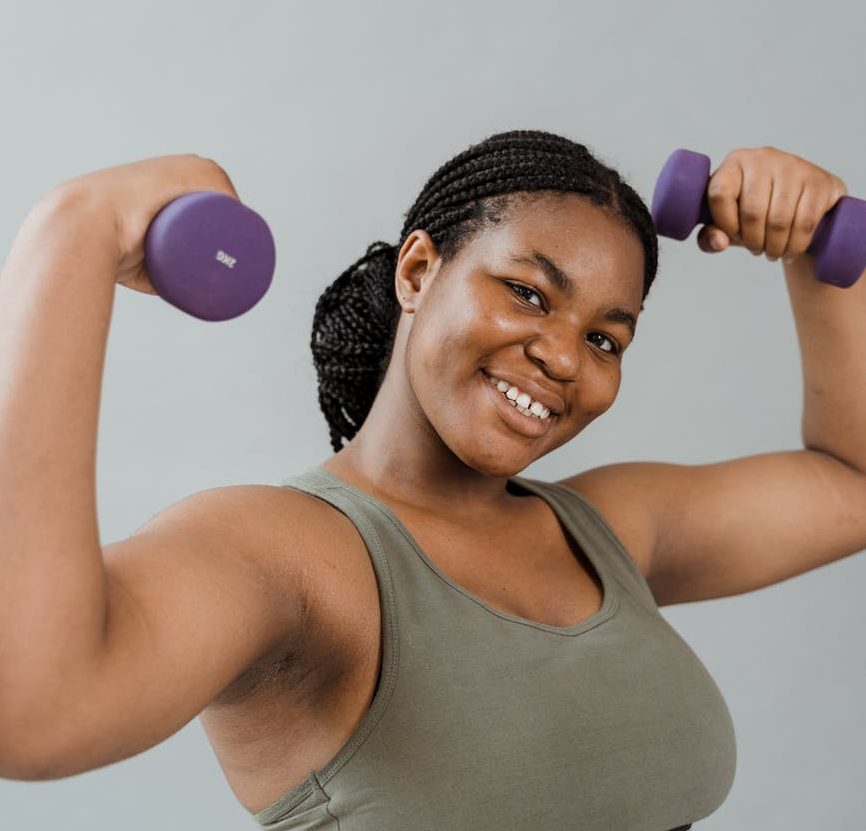
Maintaining a trim midsection does more than make you look great—it can help you live longer. Larger waistlines are linked to a higher risk of heart disease, diabetes and even cancer. Losing weight, especially belly fat, also improves blood vessel functioning and also improves sleep quality.
It’s impossible to target belly fat specifically when you diet. But losing weight overall will help shrink your waistline; more importantly, it will help reduce the dangerous layer of visceral fat, a type of fat within the abdominal cavity that you can’t see but that heightens health risks, says Kerry Stewart, Ed.D. , director of Clinical and Research Physiology at Johns Hopkins.
Here’s how to whittle down where it matters most.
- Accept that your behaviors will adjust.
A big part of weight loss is simply being aware of the decisions you’re making. For example, when out at happy hour with friends, you may lose track of how much you’re eating or drinking. But if you take a split second to step back and become aware of that fact, you’re able to course correct. “The awareness and then planning for what else I can be doing, that might give me the same benefit of eating comfort foods,” says Gagliardi.
- Think eating plan, not diet.
Ultimately, you need to pick a healthy eating plan you can stick to, Stewart says. The benefit of a low-carb approach is that it simply involves learning better food choices—no calorie-counting is necessary. In general, a low-carb way of eating shifts your intake away from problem foods—those high in carbs and sugar and without much fiber, like bread, bagels and sodas—and toward high-fiber or high-protein choices, like vegetables, beans and healthy meats.
- Move away from processed foods.
The ingredients in packaged goods and snack foods are often heavy on trans fats, added sugar and added salt or sodium—three things that make it difficult to lose weight.
- Try curbing carbs instead of fats.
When Johns Hopkins researchers compared the effects on the heart of losing weight through a low-carbohydrate diet versus a low-fat diet for six months—each containing the same amount of calories—those on a low-carb diet lost an average of 10 pounds more than those on a low-fat diet—28.9 pounds versus 18.7 pounds. An extra benefit of the low-carb diet is that it produced a higher quality of weight loss, Stewart says. With weight loss, fat is reduced, but there is also often a loss of lean tissue (muscle), which is not desirable. On both diets, there was a loss of about 2 to 3 pounds of good lean tissue along with the fat, which means that the fat loss percentage was much higher on the low-carb diet.
- Embrace healthy fats.
If you want to lose fat, you have to eat fat…the right kind, that is.
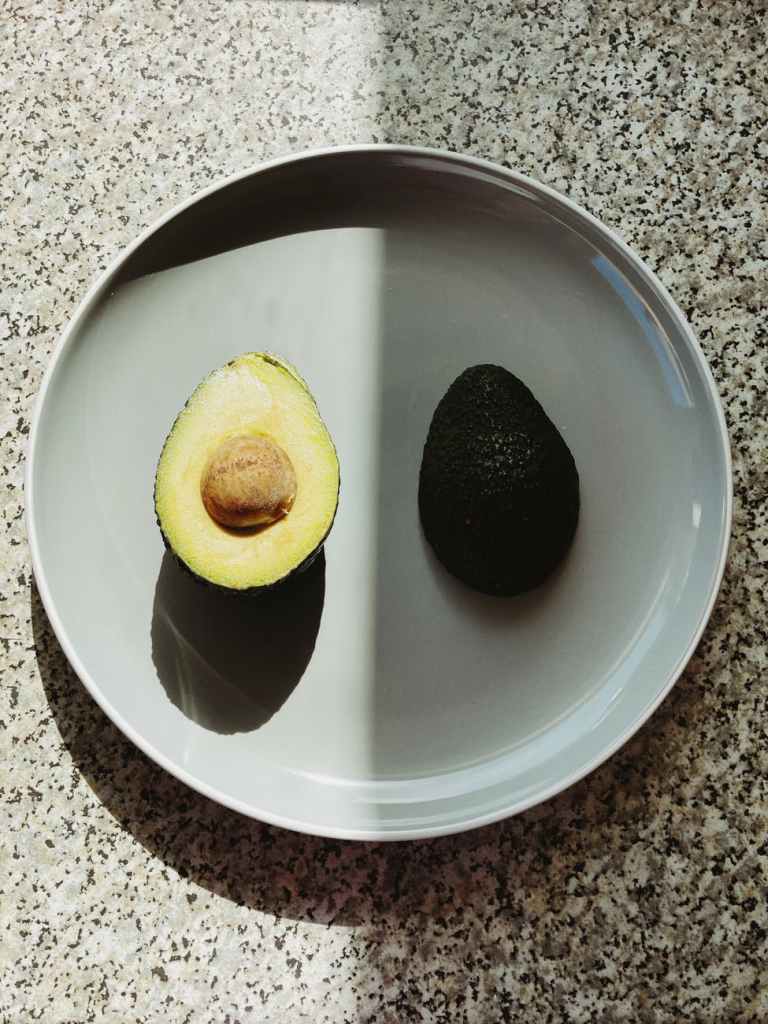
“Adding healthy fats, in the form of monounsaturated and polyunsaturated fats, can help you feel more satisfied with your meals. Yasi Ansari, M.S., R.D., C.S.S.D., national medial spokesperson for the Academy of Nutrition and Dietetics, says, “”Fat sources that I recommend boosting in the diet come from unsaturated fatty acids found in foods like olive oil, nuts, avocados, fatty fish, and eggs, as they can help increase satiety while providing a variety of health benefits when consumed in moderation.”” You can increase your intake of healthy fats by adding some chopped avocado into your salads, enjoying wild salmon twice a week, and having a little peanut butter with your post-workout snack or smoothie. Just remember to enjoy them in moderation as they’re still very calorie-dense, Ansari says.”
- Keep moving.
Physical activity helps burn abdominal fat. “One of the biggest benefits of exercise is that you get a lot of bang for your buck on body composition,” Stewart says. Exercise seems to work off belly fat in particular because it reduces circulating levels of insulin —which would otherwise signal the body to hang on to fat—and causes the liver to use up fatty acids, especially those nearby visceral fat deposits, he says.
The amount of exercise you need for weight loss depends on your goals. For most people, this can mean 30 to 60 minutes of moderate to vigorous exercise nearly every day
- Lift weights.
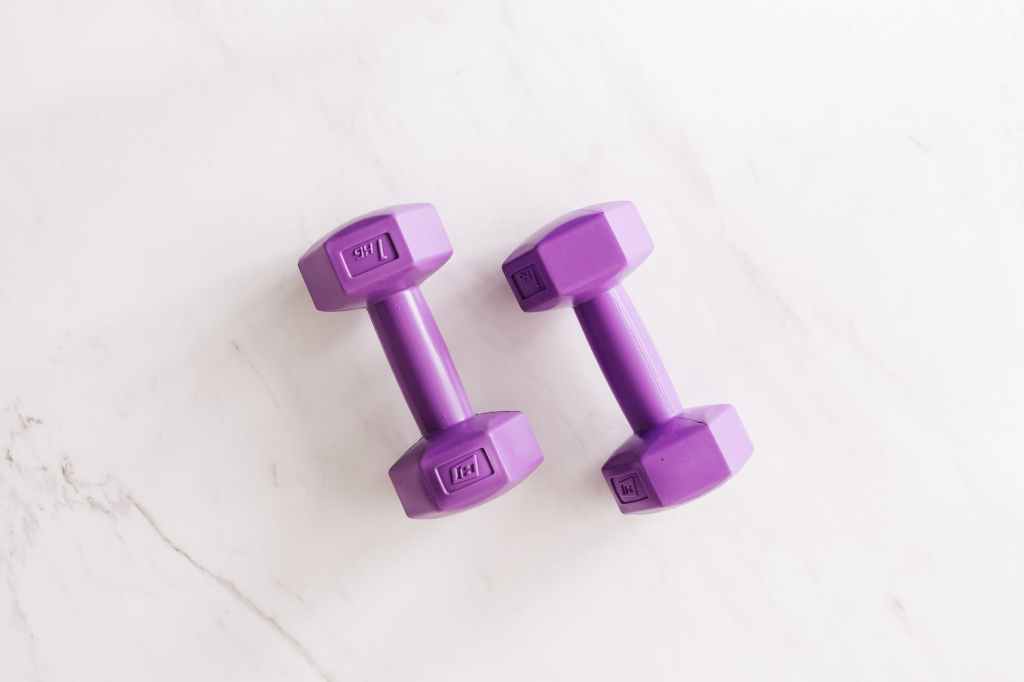
Adding even moderate strength training to aerobic exercise helps build lean muscle mass, which causes you to burn more calories throughout the entire day, both at rest and during exercise.
- Become a label reader.
Compare and contrast brands. Some yogurts, for example, boast that they’re low in fat, but they’re higher in carbs and added sugars than others, Stewart says. Foods like gravy, mayonnaise, sauces and salad dressings often contain high amounts of fat and lots of calories.
- Focus on the way your clothes fit more than reading a scale.
As you add muscle mass and lose fat, the reading on your bathroom scale may not change much, but your pants will be looser. That’s a better mark of progress. Measured around, your waistline should be less than 35 inches if you’re a woman or less than 40 inches if you’re a man to reduce heart and diabetes risks.
- Hang out with health-focused friends.
Research shows that you’re more apt to eat better and exercise more if your friends and family are doing the same.
- Try to limit your stress.

Stress can mess with every part of your body—but how you deal with it can make or break your weight loss goals. “I think most of the effect of stress is behavioral rather than neurochemical,” says Dr. Cheskin. “It makes us eat more, because we use food as a substitute for dealing with stress.”
The truth is, eating food to make yourself feel better is usually a whole lot easier than actually facing the stress head-on. “People gravitate toward something that doesn’t require anybody else to do it, is immediately satisfying, and doesn’t take a whole lot of effort, especially if you’re just opening up a package or box,” says Dr. Cheskin.
Stress-eating can only lead to one thing: growing your belly rather than whittling it. If you find yourself stress eating, take a step back and think: What’s causing my stress, and what can I do about it? Find a way to remedy the solution or talk through it with a therapist rather than turning to a bag of Doritos.
- Prioritize quality sleep.
Sleep is huge when it comes to your weight loss success—and that’s both if you sleep too much or too little. “Sleeping too much is probably not great for you healthwise,” says Dr. Cheskin. “But sleeping too little is worse.”
Case in point: One 2017 review and meta-analysis from the U.K. found that people who slept 5.5 hours or less per night ate an extra 385 calories the day after compared to those who snoozed for at least seven to 12 hours. On top of that, they preferred to munch on fatty foods full of empty calories, like chips.
If you’re only getting a minimal amount of sleep each night, that leaves more time for you to snack and make otherwise unhealthy decisions that could affect your weight loss. Although it will vary from person to person on how much sleep you actually need to be most effective (and therefore make progress toward your weight loss goals), the ideal number is typically seven or eight hours, says Dr. Cheskin.

 Healthy Body Goals