
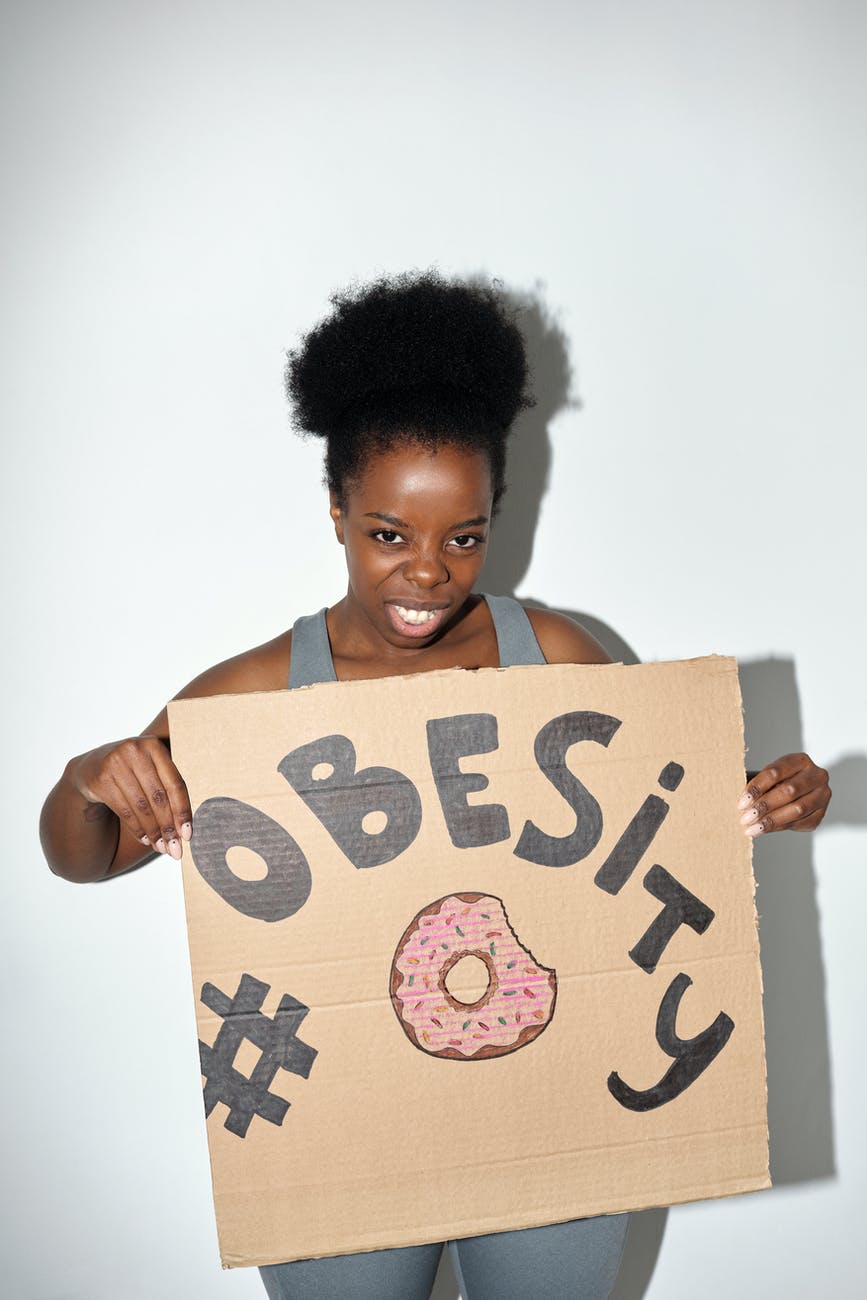
High insulin goes before corpulence, another review proposes
Another review distributed in JAMA Organization Open reports that insulin levels rise first, and afterward individuals foster heftiness — not the reverse way around.
For what reason is this significant? Conventional instructing is that stoutness is identified with risky wellbeing results, including unexpected passing.
In any case, as the review’s creators bring up, the relationship among weight and unexpected passing isn’t solid and bombs numerous rules to propose a circumstances and logical results relationship. Maybe the dangers connected to weight have more to do with poor hidden metabolic wellbeing than heftiness itself.
Also, customary clinical conviction is that individuals become stout first, which then, at that point, triggers insulin opposition and hyperinsulinemia. Assuming that is the situation, any weight reduction strategy, including liposuction, ought to be similarly advantageous for further developing insulin affectability.
However, on the off chance that the inverse is valid — assuming insulin opposition prompts heftiness — then, at that point, just weight reduction procedures that likewise lower insulin obstruction and further develop metabolic wellbeing will effectively address the hidden metabolic brokenness and decrease the danger of future unexpected problems.
While the current review doesn’t demonstrate that insulin obstruction causes weight, it presents a solid defense for it.
The creators investigated 60 examinations — randomized preliminaries and observational examinations — with north of 5,600 members. They reasoned that subjects had raised insulin levels before they had an ascent in their BMI. However, the opposite was false. They didn’t begin with raised BMI and foster raised insulin levels later. (admonition, these were subjects occupied with a type of get-healthy plan including bariatric medical procedure for some).
Considering the quantity of individuals with metabolic brokenness who are not overweight and the quantity of individuals with stoutness who don’t have metabolic brokenness, the worldview of insulin driving heftiness seems OK.
The supposed TOFI (slender outwardly, “fat” within) or “thin fat” populace will in general have instinctive (fat around the organs) and insulin obstruction, however they don’t have the customary measure of fat to be viewed as stout.
Think about the patient with type 2 diabetes or polycystic ovary disorder (PCOS). They are frequently overweight, and their determination gets “accused” on their overabundance weight. However, maybe it has more to do with rising insulin levels than the actual weight.
Assuming the illness state is more identified with raised insulin levels, then, at that point, preventive measures and treatment procedures should zero in additional on tending to insulin opposition and metabolic wellbeing — and center less around the number on the scale.
The facts really confirm that a wide range of weight reduction systems can assist with bringing down insulin levels and work on metabolic wellbeing — however not all.
Low-carb counts calories that attention on lessening starches, getting satisfactory protein, and adding fat for flavor have shown huge advantages for weight reduction, decreasing insulin opposition, and further developing glucose control. Low-carb eats less aren’t the main methodology, however they absolutely are a compelling one.
It is additionally a fact that this review isn’t “verification” that insulin opposition consistently causes heftiness, and weight never causes insulin obstruction. Indeed, the relationship among hyperinsulinemia and future heftiness was most noteworthy for those going through bariatric medical procedure, and it is muddled how this may apply to the more extensive populace.
Along these lines, don’t accept this review as confirmation of the “starch insulin model of heftiness.” All things being equal, we can consider it to be more proof that metabolic wellbeing assumes a basic part in weight the board and the wellbeing repercussions of stoutness.
 Healthy Body Goals